Bad Tracking Leads to Bad Marketing Decisions

Let’s get one thing straight: if you’re not tracking properly, you’re not marketing, you’re guessing. And guessing is expensive.
A lot of businesses think they have a “leads problem” or an “ads problem,” when in reality, they have a tracking problem. They don’t actually know what’s working, what’s not, or where their leads are coming from. So they make decisions based on assumptions, opinions, or gut feelings instead of data.
And that’s exactly how money gets wasted.
At Nobody, we see this all the time. Brands running ads without proper tracking. Funnels with missing data. Leads are coming in, but no clarity on which channel, campaign, or message actually drove them. When tracking is broken, everything that follows is broken too.
Why Bad Tracking Leads to Bad Decisions
When you don’t have accurate tracking, every decision becomes a risk. You don’t know which ads are performing. You don’t know which landing pages are converting. You don’t know which channels are bringing high-quality leads versus time-wasters.
So what happens?
You pause campaigns that might actually be working.
You double down on channels that feel busy but don’t convert.
You change messaging without understanding what failed.
You spend more money trying to “fix” the wrong problem.
This is why bad tracking always leads to bad decisions. Without data, you’re flying blind. And when you’re flying blind, even good strategies can fail.
What Proper Tracking Actually Means
Tracking doesn’t just mean installing Google Analytics and calling it a day. Proper tracking means being able to clearly answer one simple question:
“Where exactly did this lead come from?”
Not “probably Instagram.”
Not “some ad.”
Not “the website.”
Exactly where.
That’s the difference between guessing and knowing.
When tracking is done properly, you can trace every lead back to:
The channel
The campaign
The message
The action they took
And once you have that clarity, everything gets easier.
UTMs: The Foundation of Smart Tracking
UTMs are one of the simplest and most powerful tracking tools, and one of the most ignored.
UTMs tell you where traffic is coming from, which campaign drove it, and what message convinced someone to click. Without UTMs, all traffic blends together. With UTMs, patterns start to appear.
You can see which ads bring buyers, not just clicks.
You can see which platforms attract serious leads.
You can stop guessing and start optimizing.
If you’re running ads or sharing links without UTMs, you’re leaving valuable insight on the table.
Pixel and Conversion Tracking: Non-Negotiable
Pixel tracking is what allows platforms like Meta and Google to understand who converts and why. Without it, ad platforms can’t optimize properly. They don’t know what success looks like.
Conversion tracking tells you when someone:
Submits a form
Books a call
Makes a purchase
Takes a key action
Without conversion tracking, you might think your ads are “doing fine” because traffic is high, while conversions quietly suffer.
Traffic without conversion data is noise. Conversions without tracking are invisible wins.
Both are dangerous.
Call and Form Tracking Matter More Than You Think
Many businesses track website traffic but completely ignore what happens after.
Calls go untracked.
Forms come in with no source attached.
Leads show up in inboxes with zero context.
This is how teams lose visibility.
Call tracking tells you which channels drive actual conversations, not just clicks. Form tracking shows you which pages and offers generate real interest. Without these, your funnel has blind spots, and blind spots hide problems.
If you don’t know which forms convert best or which calls come from ads, you can’t improve what matters.
Funnels Without Dashboards Create Chaos
If your data lives across five platforms with no central view, you don’t have insight; you have confusion.
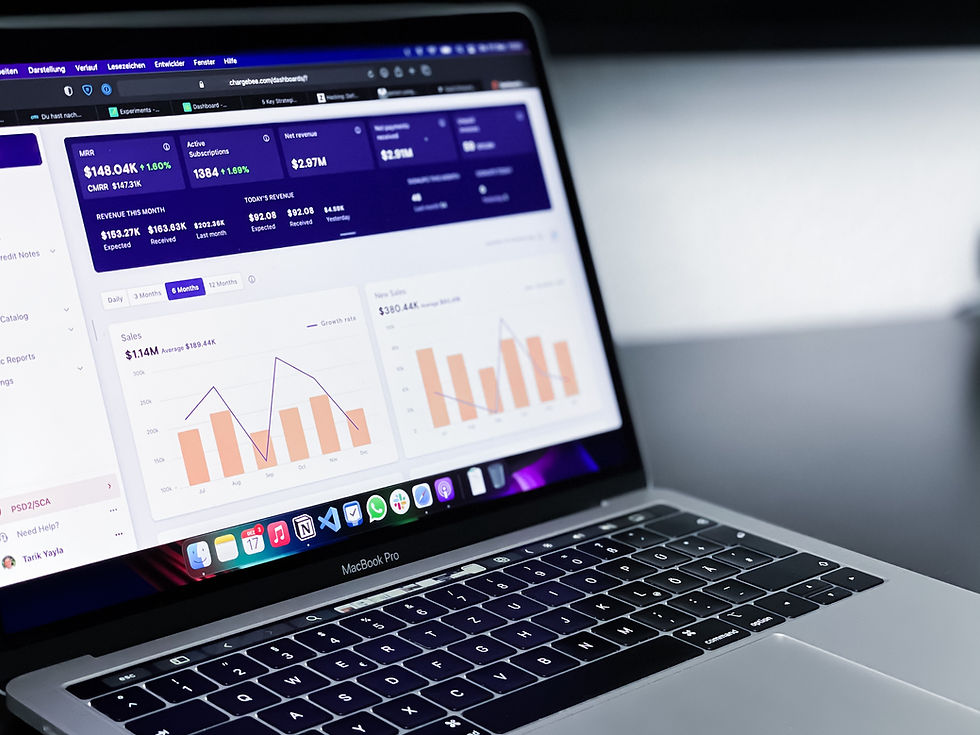
Funnel dashboards bring everything together:
Traffic
Leads
Conversions
Costs
Performance by channel
A dashboard shows you what’s working at a glance. It removes guesswork. It creates confidence in decision-making.
When dashboards are missing, teams argue based on opinions. When dashboards exist, decisions are based on facts.
Why Tracking Is a Growth Tool, Not a Technical Task
A lot of businesses treat tracking like a technical checkbox. Something to “set up once” and forget. But tracking isn’t a setup task; it’s a growth tool.
Good tracking helps you:
Scale what works
Cut what doesn’t
Improve ROI
Reduce wasted spend
Make confident decisions
When tracking is clear, growth becomes predictable. When tracking is messy, growth feels random.
And random growth doesn’t scale.
The Real Cost of Flying Blind
Bad tracking doesn’t just cost money. It costs time, momentum, and confidence.
Teams lose trust in marketing.
Founders lose confidence in decisions.
Budgets get cut instead of optimized.
All because the data wasn’t clear.
The truth is simple: performance marketing isn’t creative guesswork. It’s engineered growth. And engineering requires measurement.

Track Everything, Or You’re Guessing
Track everything that matters. Know where your leads come from. Understand what converts. Measure before you move.
Because bad tracking leads to bad decisions. And bad decisions are the most expensive thing in marketing.
Do you know exactly where your leads come from, or are you still guessing?


Comments